

Insights
This year, we welcomed 42 students from different parts of the world!
We explored hydrology, ecology, biogeochemistry, socio-economic perspectives, and environmental management.
The course included lectures, demonstrations, and fieldwork focusing on how climate change affects forests, water, carbon cycling and human–environment interactions across boreal and tropical ecosystems.
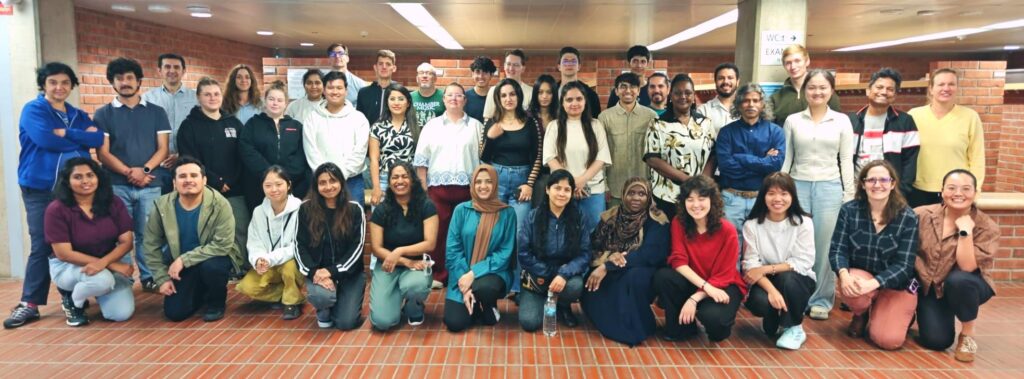
International participants and speakers: Europe, Latin America and Asia
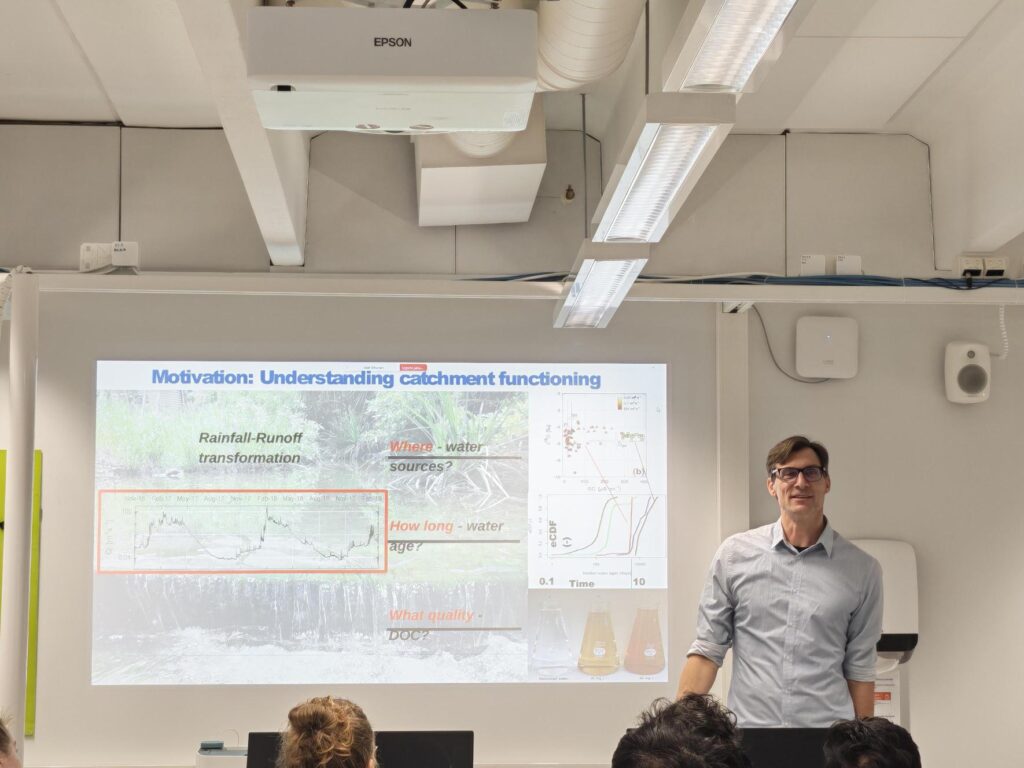
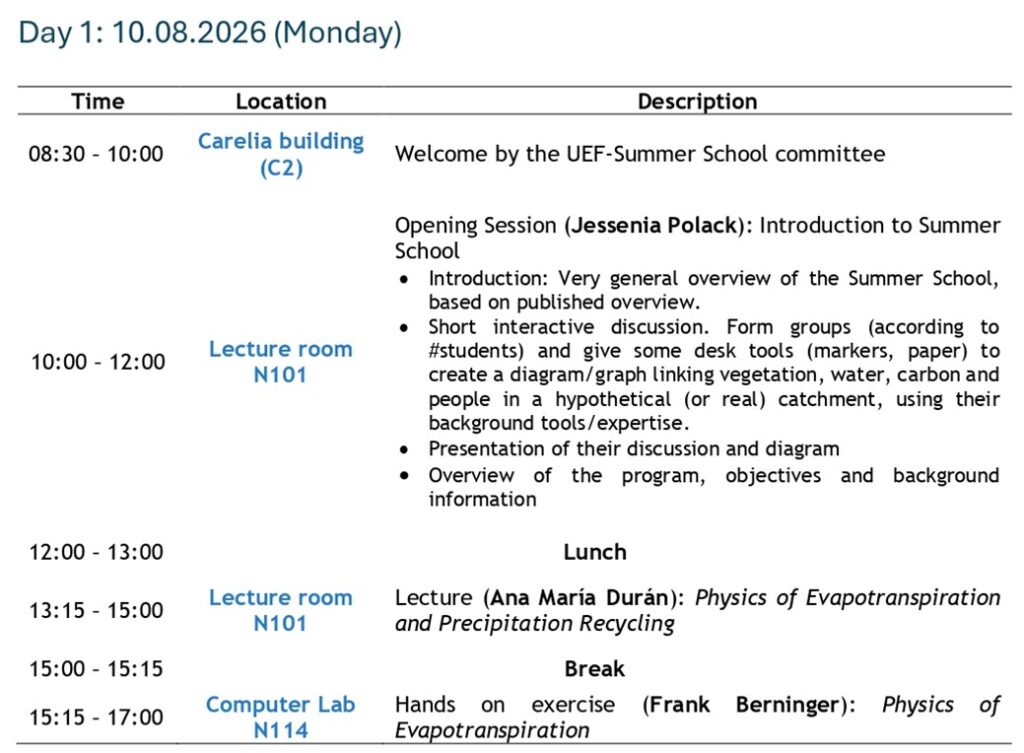
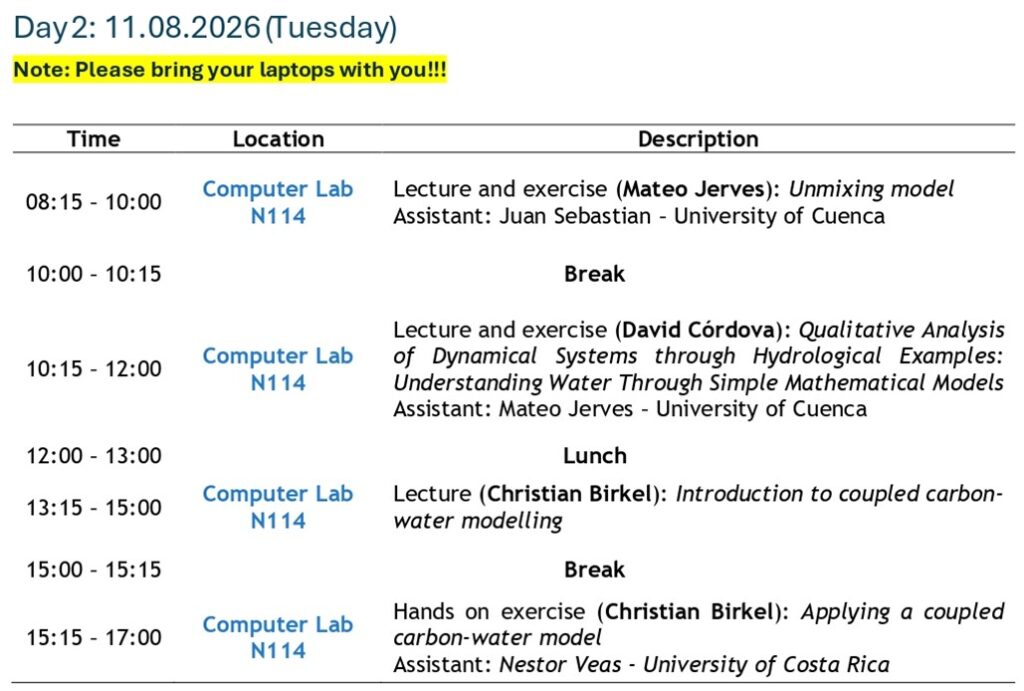
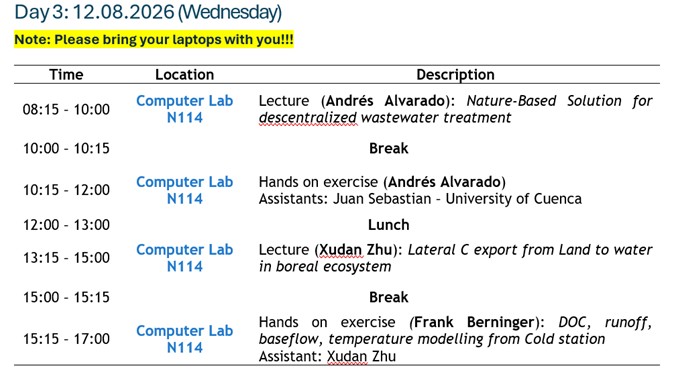
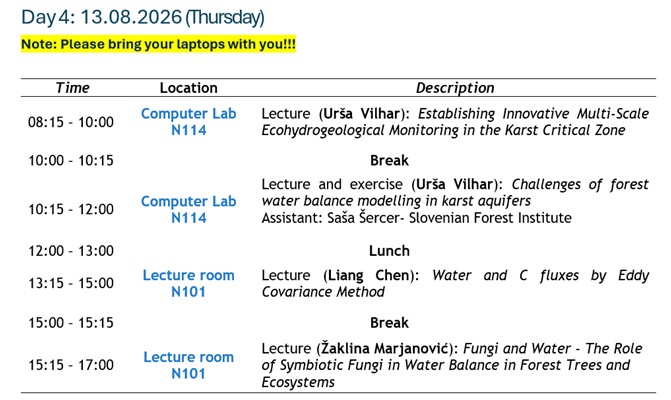
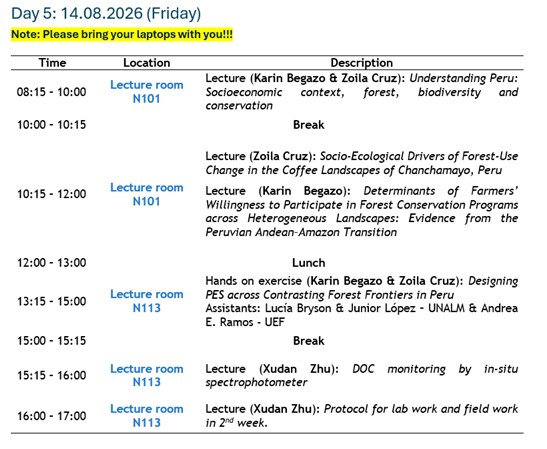
A central theme of the Summer School was the connection between vegetation, water, carbon, ecosystems and people. The first week combined lectures and practical exercises in ecology, hydrology, biogeochemistry, modelling and environmental management. Topics ranged from evapotranspiration and precipitation recycling to coupled carbon–water modelling, nature-based solutions, lateral carbon transport, forest water balance, eddy covariance and the role of symbiotic fungi in forest ecosystems.
The programme also highlighted the social dimensions of climate adaptation. Sessions focused on forest conservation, socio-ecological drivers of forest-use change, farmers’ willingness to participate in conservation programmes and the design of payments for ecosystem services. By integrating ecological processes with governance and socio-economic perspectives, the course encouraged participants to consider climate adaptation as both an environmental and societal challenge.
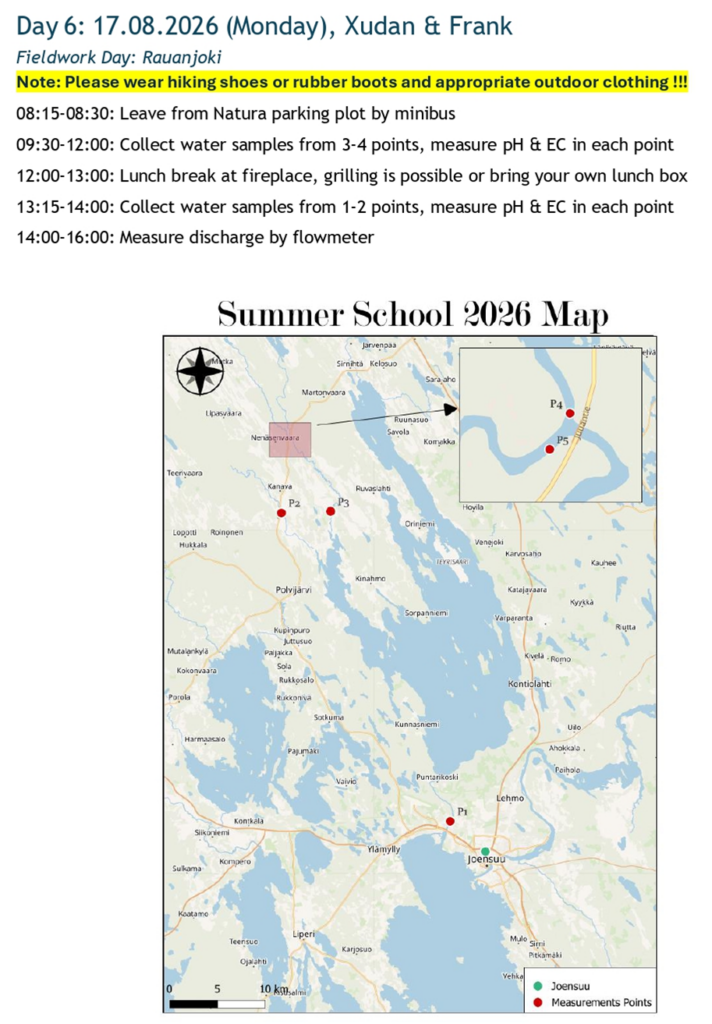
During the second week, students moved from theory to practice. A full fieldwork day at Rauanjoki introduced stream sampling and hydrological measurements. Working in teams, participants collected water samples from several points, measured pH and electrical conductivity, and determined stream discharge using a flowmeter. The field exercise offered a practical way to connect catchment processes with water quality and carbon transport.
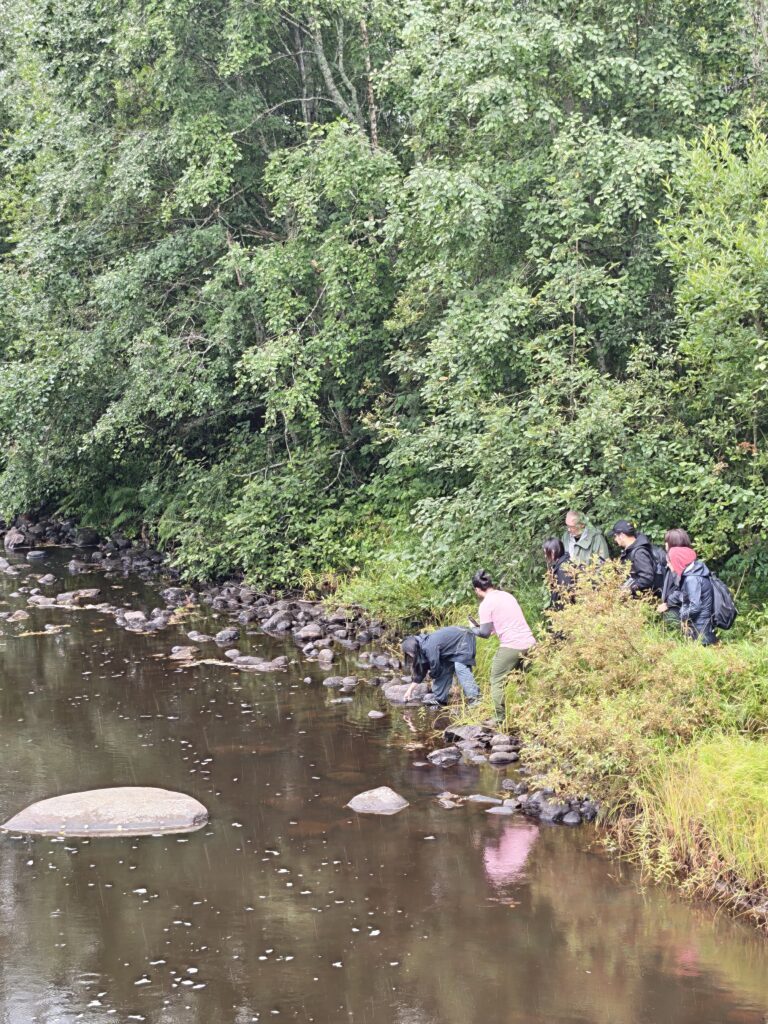
Fieldwork day at Rauanjoki: Collection of water samples for pH and EC measurements.
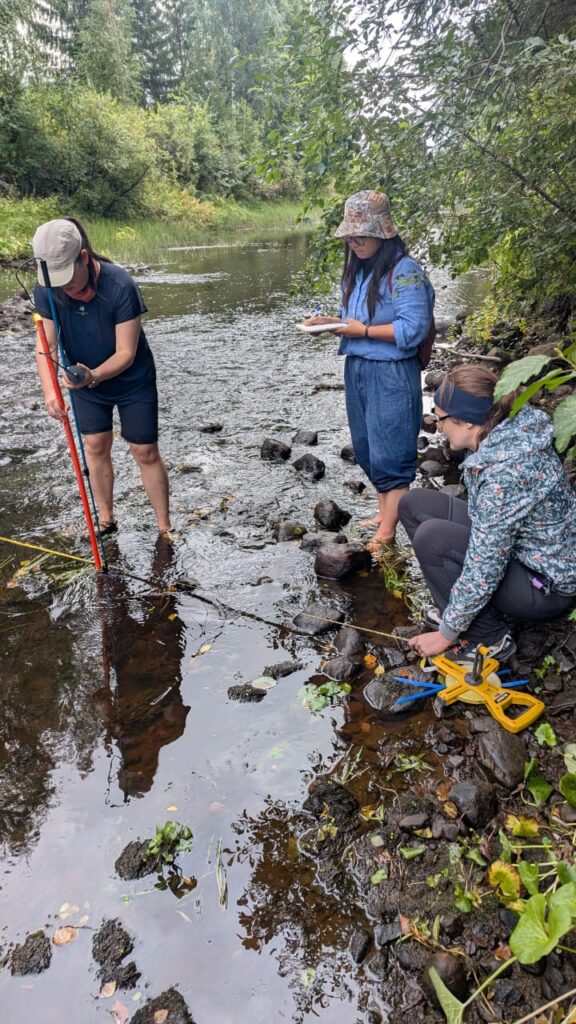
Fieldwork day at Rauanjoki: Collection of water samples for pH and EC measurements.
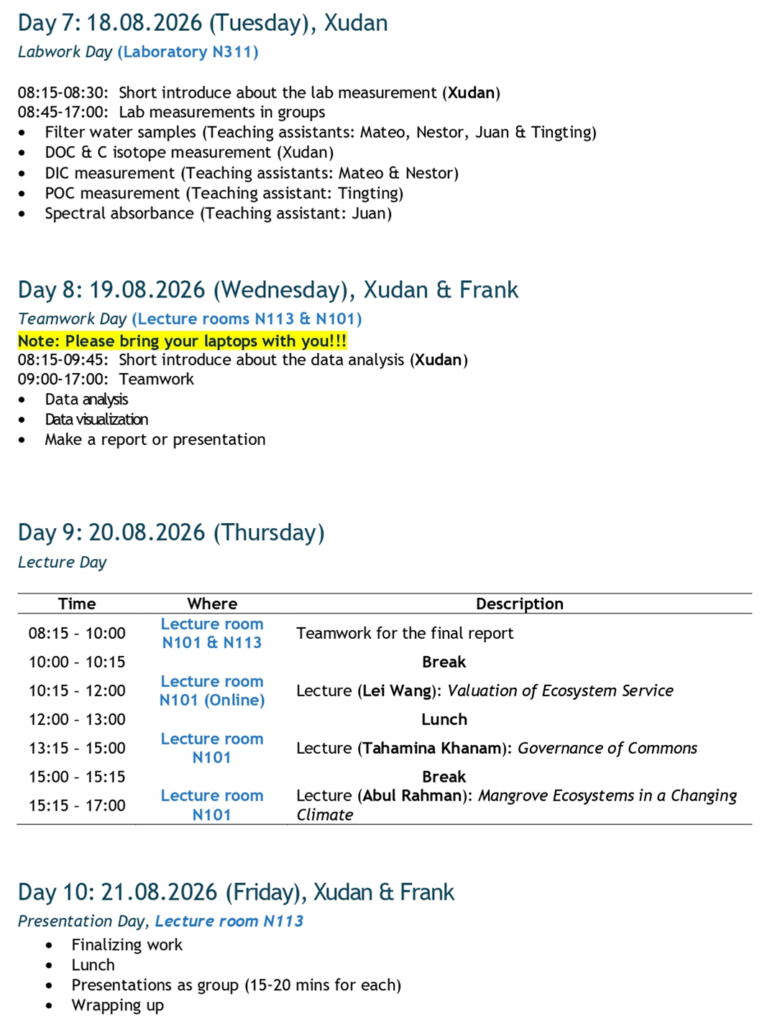
The fieldwork was followed by a laboratory work at UEF, where participants worked in groups on water filtration and analyses of dissolved organic carbon (DOC), carbon isotopes, dissolved inorganic carbon (DIC), particulate organic carbon (POC) and spectral absorbance. These activities provided hands-on experience with techniques used to study carbon cycling and water-quality change.
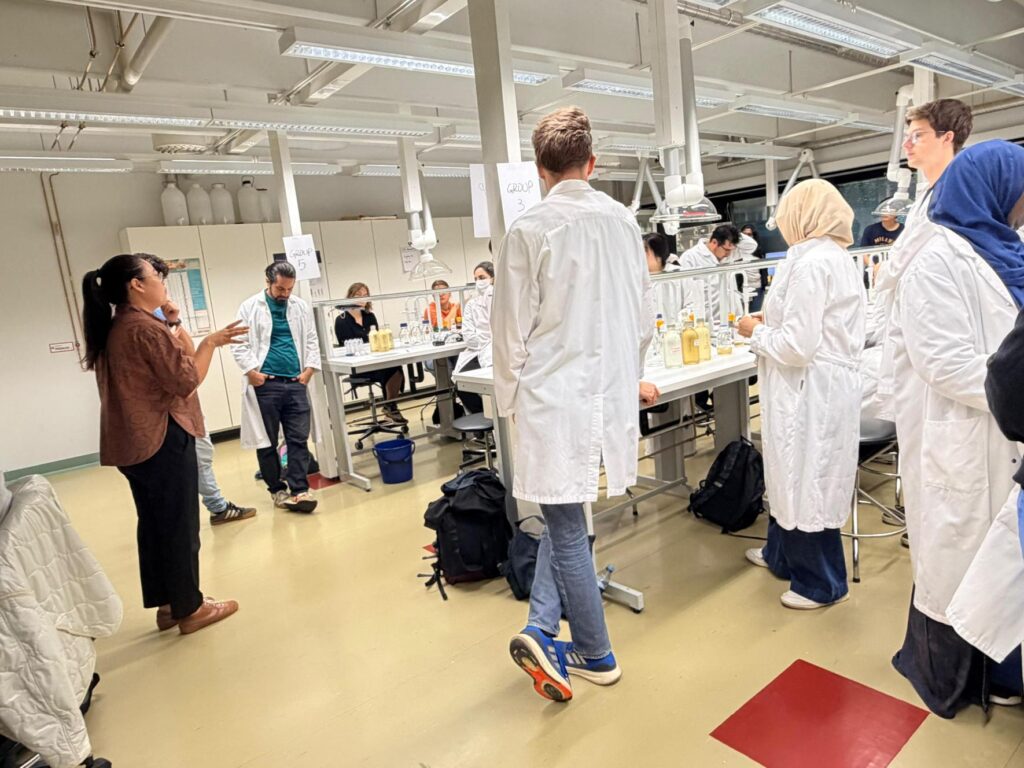
Laboratory work
The Summer School concluded on 21 August with group presentations. Participants shared the results of their teamwork and reflected on the approaches they had learned during the two weeks. The final presentations also gave students an opportunity to practise communicating scientific results to an international audience.
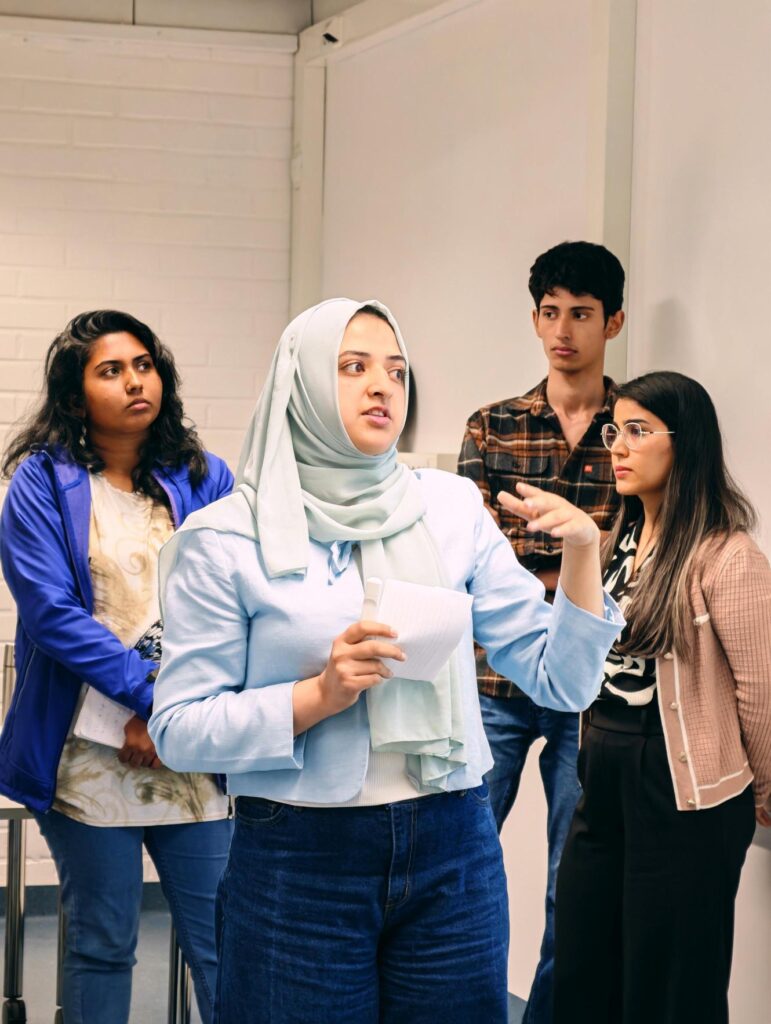
Group presentations
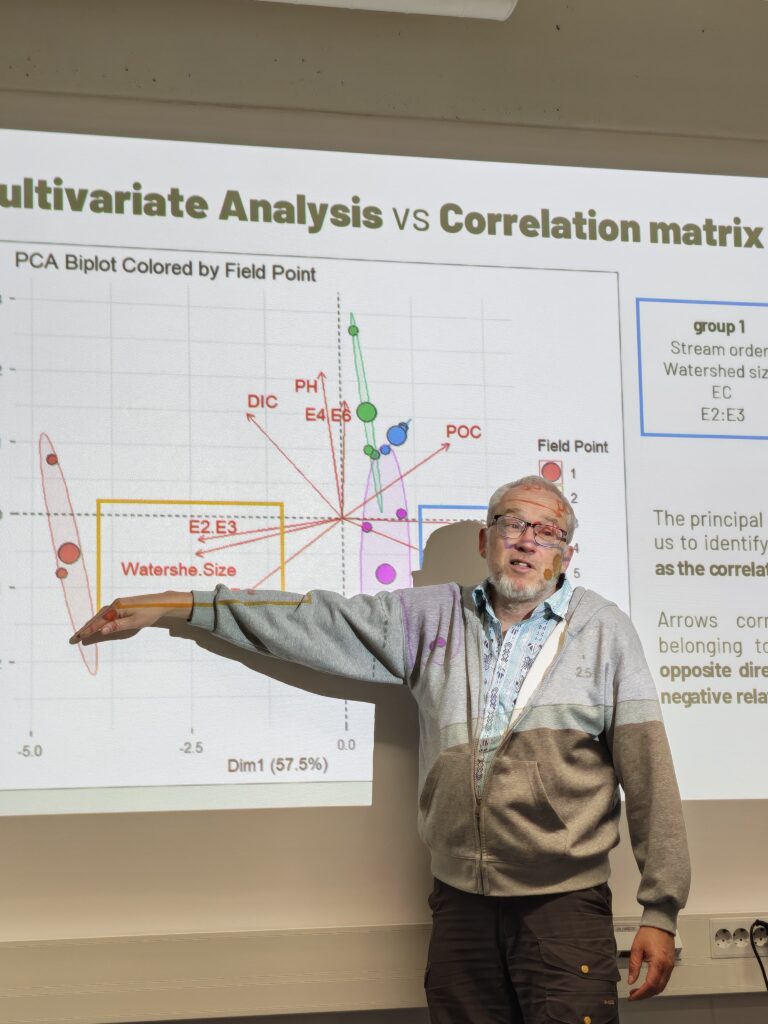
Lectures and discussion following the group presentations.
The Summer School demonstrated the value of combining ecosystem science, practical monitoring, socio-economic perspectives and environmental governance. This interdisciplinary approach is essential for understanding how ecosystems respond to climate change and for developing adaptation solutions that are scientifically robust, locally relevant and transferable across regions.
Overview:
The summer school “Ecology and Climate Change” explores the interconnected roles of vegetation, water, carbon, ecosystems and people across boreal and tropical environments. The course takes a broad interdisciplinary approach, combining ecology, hydrology, biogeochemistry, socio-economic perspectives and environmental management. Through lectures, group work, modelling exercises, fieldwork, and laboratory activities, participants will examine carbon and water dynamics, ecosystem monitoring, land-water interactions, forest conservation, ecosystem services, and nature-based solutions. A substantial hands-on component will enable participants to learn and apply relevant field and laboratory methods, integrating knowledge from different disciplines and ecosystems.
Week 1: 10-14.08.2026
Week 2: 17-21.08.2026
Welcome to your new blog. This is your first post. Edit or delete it, then start blogging!