
War, Peace and Safeguarding Democracy in a Turbulent World: The Role of Law and Legal Education
Jussi Karkkulainen, University Lecturer at UEF Law School
I participated on 26–27 May in the interdisciplinary conference of the International Association for Human Rights Education, with the theme Re-imagining Human Rights Education in a Turbulent World. The conference was held in Münster, Germany. The journey there turned into a 14-hour adventure, including seven hours of back-and-forth travel in German regional trains in over 30-degree heat due to disruptions in the German rail system. Otherwise, the trip was successful and a very interesting experience – and it was quite a contrast to return home to Joensuu to rain and temperatures between 2 and 6 degrees.

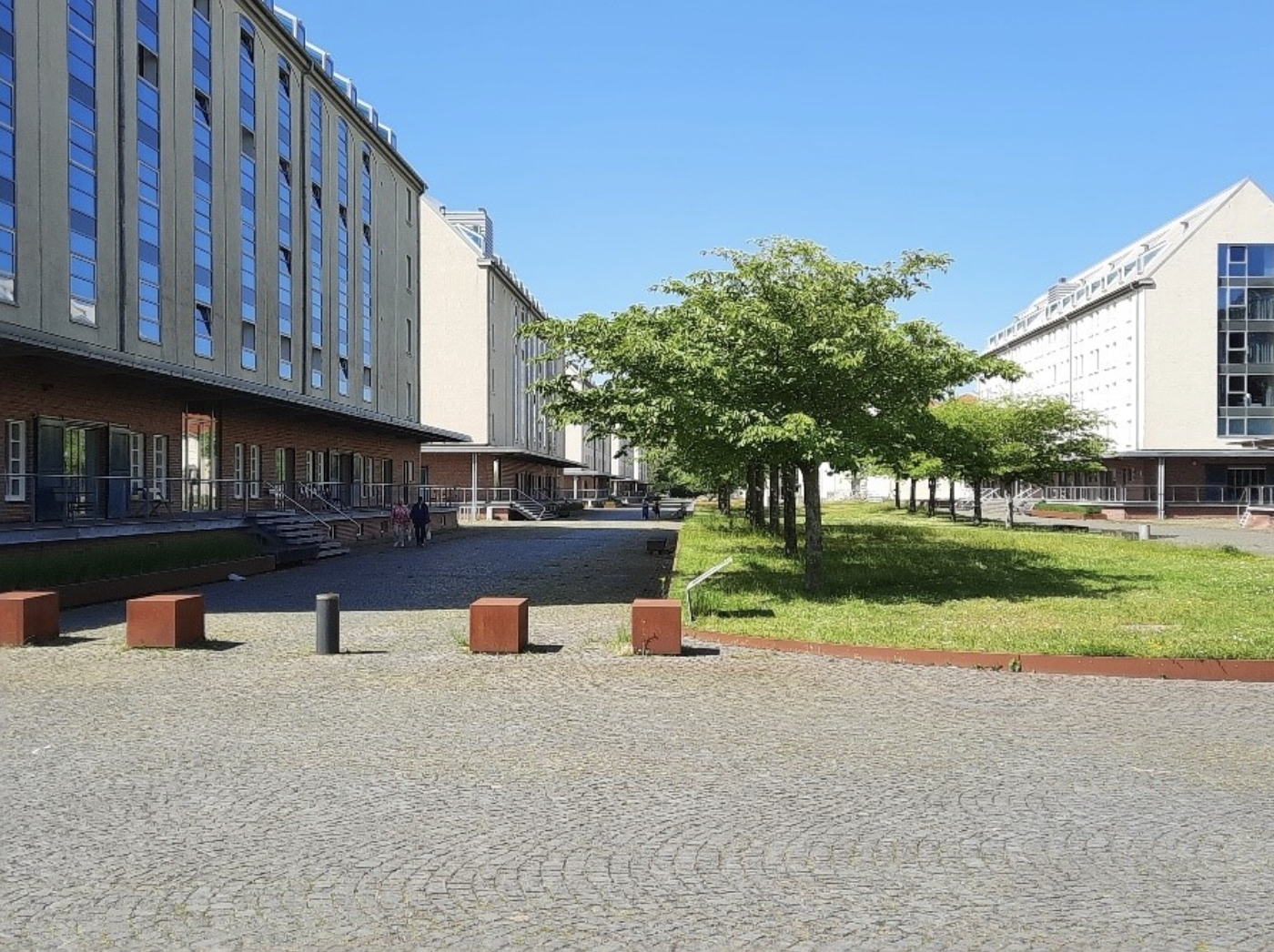
The conference took place in Münster’s Speicherstadt, which functioned as a logistics and catering centre for National Socialist troops during the Second World War. The site included, for example, a bakery that once produced bread for tens of thousands of soldiers each day. The venue was strikingly fitting for a conference where questions of war and peace, and the safeguarding of human rights and democracy, were at the forefront.
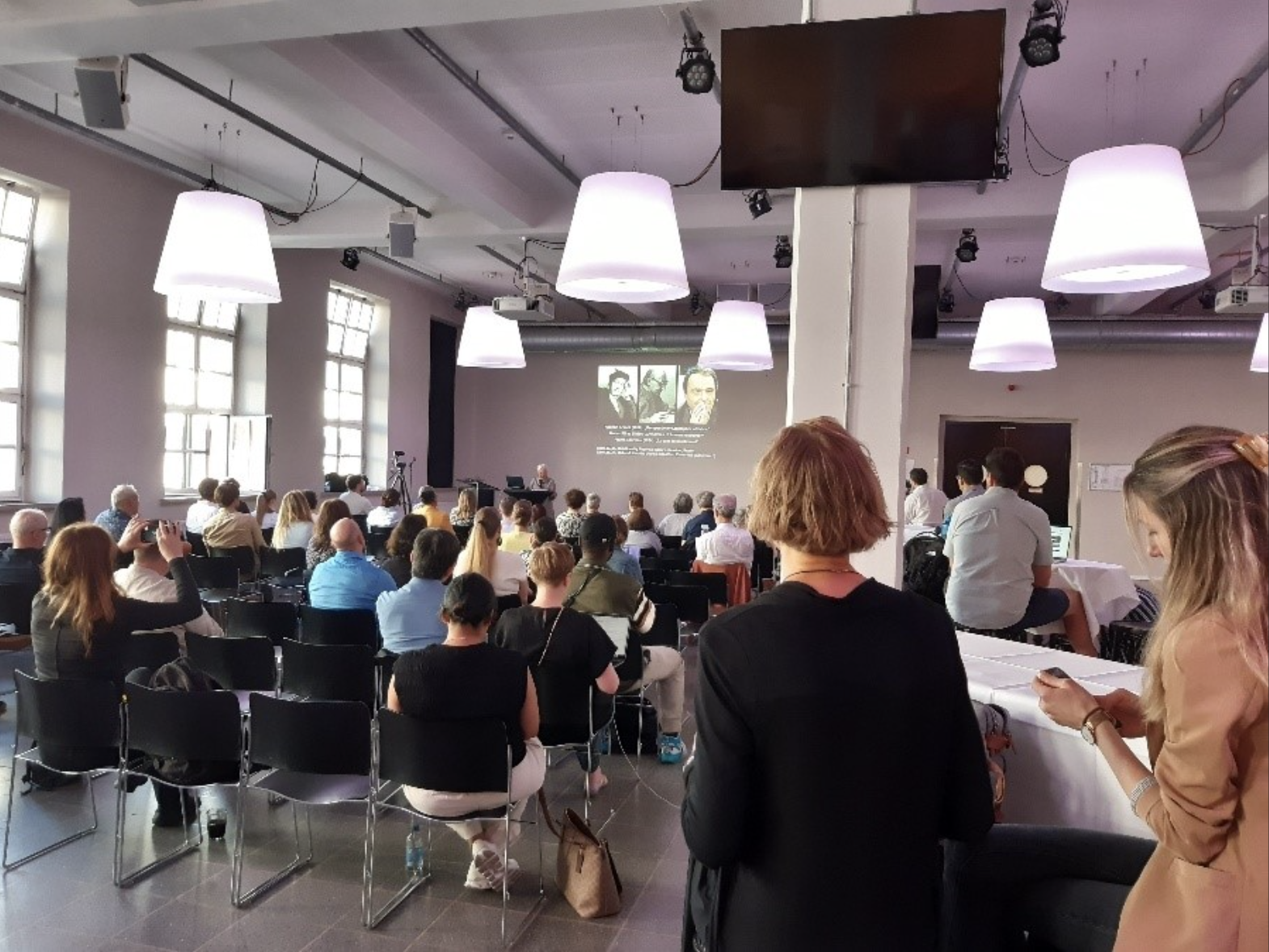
The inspiring keynote lectures by Audrey Osler, Marina Weisband and Annedore Prengel were delivered next to the massive wartime ovens. The keynotes offered a wealth of valuable insights into how peace, equality and democracy could be advanced by ensuring that knowledge of human rights is accessible to everyone through human rights education – not only to a privileged few, for example in the Global North.
My own presentation explored the integration of transformative human rights education and arts-based pedagogy as a way to foster creativity among law students in a turbulent world – one that perhaps needs courageous and solution-oriented legal professionals more than ever. I conducted the study in spring 2026 as part of my course Legal Communication, Creativity and Influence.
I had the pleasure of enjoying the conference dinner seated next to the highly esteemed pioneer in the field of human rights education, Audrey Osler. I immediately felt that I was warmly welcomed into the international community of human rights education. Conversations with scholars from different disciplines specialising in human rights were truly enriching and have already sparked plans for several future collaborations.

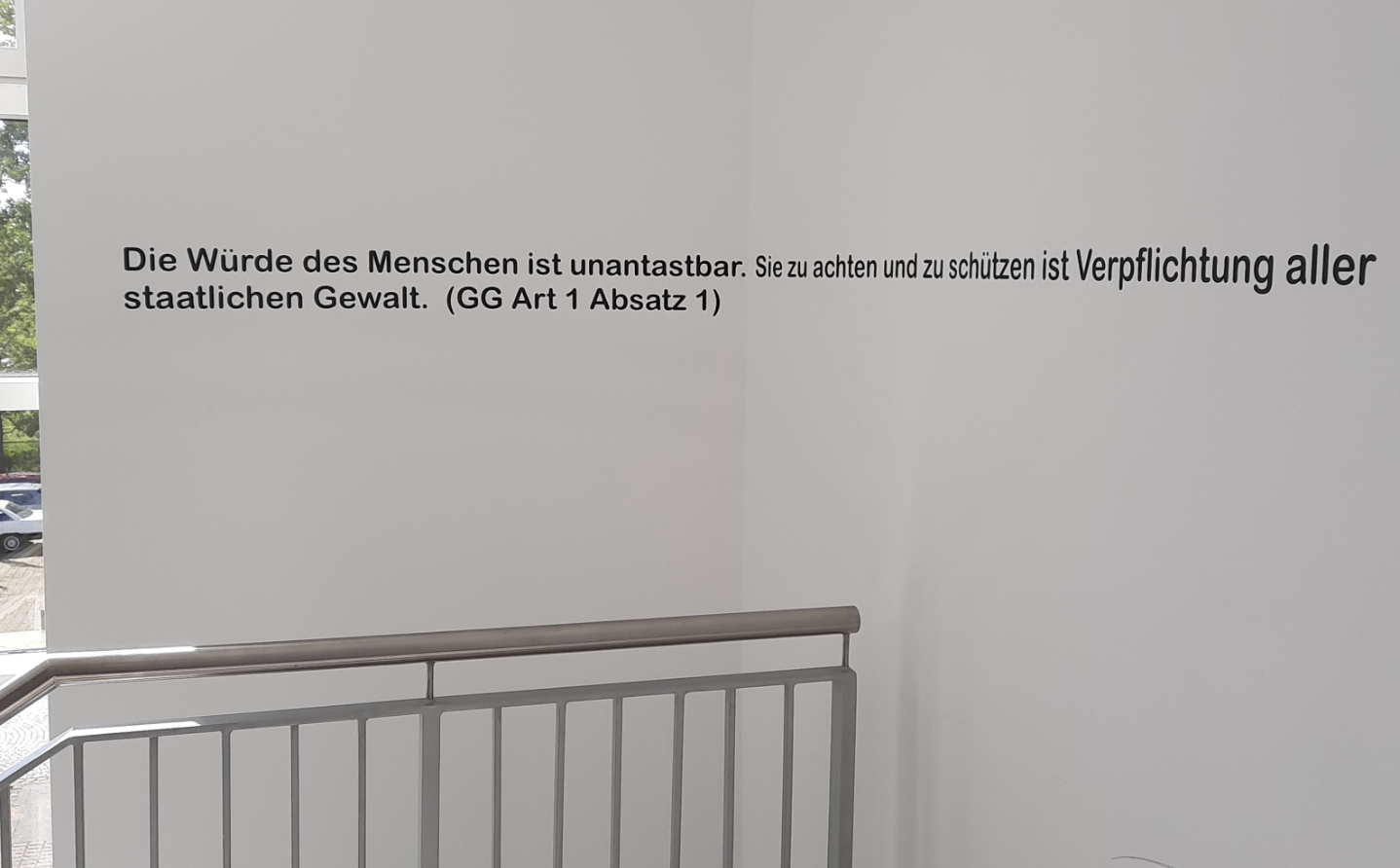
On the wall of the conference venue, a text based on Article 1(1) of the German Basic Law was displayed: “Human dignity shall be inviolable. To respect and protect it shall be the duty of all state authority.” It served as a powerful reminder of the history of the place and of how, during the Holocaust, certain groups were systematically targeted for destruction. The text thus conveys a fundamental normative demand: that human dignity must be safeguarded for all people in the future.
Regrettably, serious human rights violations continue to occur across the world, not least in the context of armed conflicts. In such situations, both human rights and the principle of human dignity are often entirely disregarded, highlighting the limitations of law and legal regulation in practice. Nevertheless, legal scholars can and should contribute to identifying ways to improve national, European, and global security and to prepare for emerging threats through legal regulation.
Complex crises and human rights challenges require approaches that go beyond traditional doctrinal legal analysis, calling instead for more creative and interdisciplinary thinking. This is something that should also be reflected more strongly in legal education. The conference indeed inspired numerous new ideas and plans for how peace and democracy might be safeguarded through interdisciplinary collaboration, in which human rights education also plays a central role.