
Humanly Sustainable Use of Digital Technology in Learning at Work
Digital technology is a central work tool, especially in knowledge work, and thus also in learning at work. It offers many opportunities, but its use is also associated with negative effects. Thus, I wanted to study more on the humanly sustainable use of digital technology.
Research increasingly identifies, for example, technology-induced workload and stress. Continuous learning required at work can also be demanding and affect employees’ well-being. Rapidly changing and evolving digital technology further accelerates learning demands and can thereby increase strain. Digitalized work requires broad competence. It is not sufficient to be able to use different software tools technically; one must also, for example, be able to maintain genuine interaction in digital environments and take care of one’s own digital well-being.
Searching for Sustainable Digital Work Practices
Human sustainability is an increasingly central perspective in working life and is connected in many ways to the well-being of individuals and communities. Closely related to this is the sustainability of learning. Sustainable learning is continuous, long-term, and proactive; it supports long-term development and takes into account learners’ well-being and the broader impacts of learning. My research focuses on these themes.
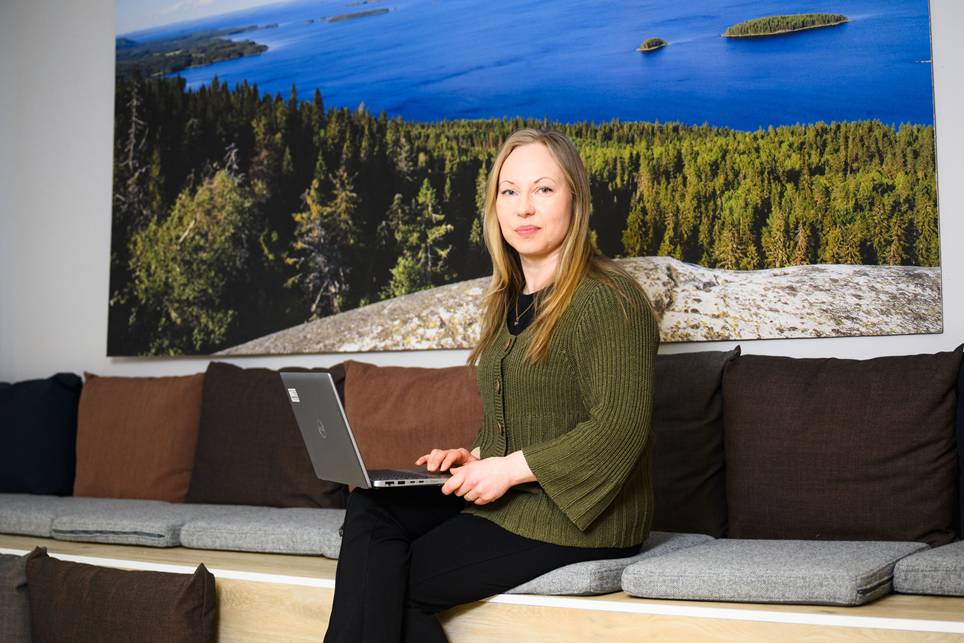
I joined the JATKOT research group as a postdoctoral researcher in May 2026 to study the humanly sustainable use of digital technology in learning at work. My research is funded by the Finnish Work Environment Fund. I defended my doctoral dissertation at the University of Jyväskylä in January 2026, and already in my dissertation, Learning at work in the digital age: the use of digital technology in informal workplace learning, I examined this theme. In the dissertation, I identified digital work practices that support informal learning, that is, learning that takes place in everyday work. These include, for example, practices that ensure smooth communication, sharing of information and experiences in digital environments, as well as active engagement with different channels and the information flowing through them. In addition, the work community needs shared practices for managing the use of digital technology.
I also examined what kind of learning environment everyday work-related digital technology provides and identified challenges that affect learning at work, such as complexity, constant change, information overload, and interruptions. A key conclusion of my dissertation was that informal learning is supported by digital work practices and environments that promote interaction while simultaneously helping to manage technology.
I am excited to now continue research on the same theme. I am moving into a researcher role for one year from my position as a data management specialist at the University of Eastern Finland Library. Over the coming year, my research will focus on producing knowledge that helps identify solutions to the challenges of digitalized work and on how the competences required in such work can be developed through learning at work. As digitalization accelerates learning demands, it is particularly important to find work practices that promote learning as part of everyday work and support well-being at work. Work practices must be developed from a human-centred perspective, not driven by technology. Therefore, it is essential to consider what humanly sustainable use of digital technology in learning at work means.
Anne Karhapää, postdoctoral researcher, JATKOT-research group