Learning from Finland: A Visit to the University of Eastern Finland
by Dr. Rehema Mwakabenga & Dr. Janeth Kalinga
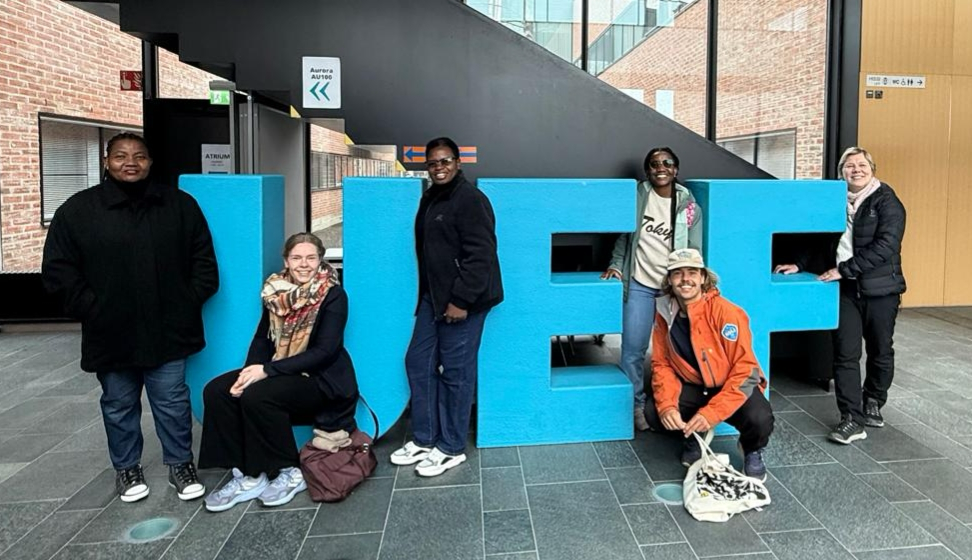
In March 2026, we had the privilege of visiting the University of Eastern Finland (UEF) in Joensuu as part of an expert mobility visit. We are teacher educators at the Dar es Salaam University College of Education (DUCE) in Tanzania, and our visit formed a key activity within the FUTE project. The FUTE project has a shared commitment: equipping teacher educators to embed sustainability into their practice and through them, to shape the next generation of teachers. Our time at UEF offered an invaluable opportunity to exchange knowledge, observe innovative pedagogical approaches, and deepen our understanding of how Finnish higher education institutions have woven sustainability into the teacher training.
ESD in Finland is not a subject you teach — it is a lens through which everything is taught. Seeing that alignment between teacher preparation and classroom reality was genuinely eye-opening.
What our experience in Joensuu made clear is that ESD is not treated as an isolated concept or add-on subject. It is woven throughout the entire education system and expressed through curriculum content, pedagogy, learning environments, assessment practices, and teacher preparation alike. Most striking was the strong coherence between teacher education and school practice, particularly in how vocational and technical skills are integrated rather than siloed. During our visit, we had the opportunity to observe teaching and learning in two primary schools. These visits brought ESD principles to life in concrete, everyday practice, and surfaced several key features that illustrate how sustainable development is enacted in Finnish classrooms.
ESD in Primary Schools: Key Features from the Classroom
Integrated and Contextualised Curriculum
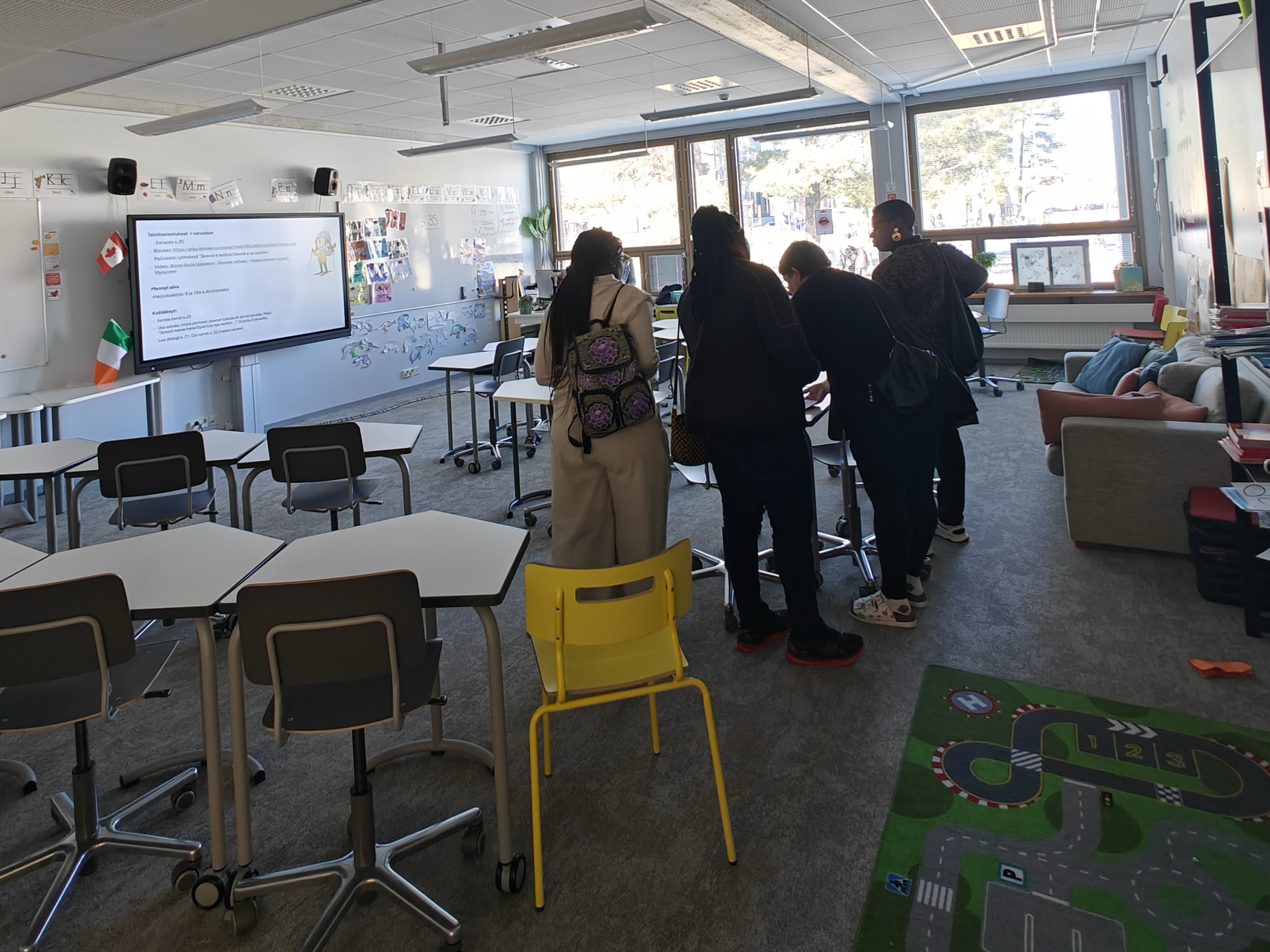
Students engage with content spanning local, national, regional, and global contexts. Finnish is the primary language of instruction from primary school through to university level. Themes such as environmental sustainability and technology are not taught as standalone subjects but woven across disciplines as cross-cutting issues. A decentralised curriculum plays a central role: while the syllabus provides broad guidance, teachers retain the autonomy to design their own teaching materials. Textbooks — particularly at lower levels — serve as supportive resources offering visuals and activity prompts rather than fixed content. As a result, lessons concentrate on fewer concepts explored in greater depth, creating space for interactive learning through discussion, games, and collaborative activities.
Learner-Centred Pedagogy and Flexible Learning Spaces
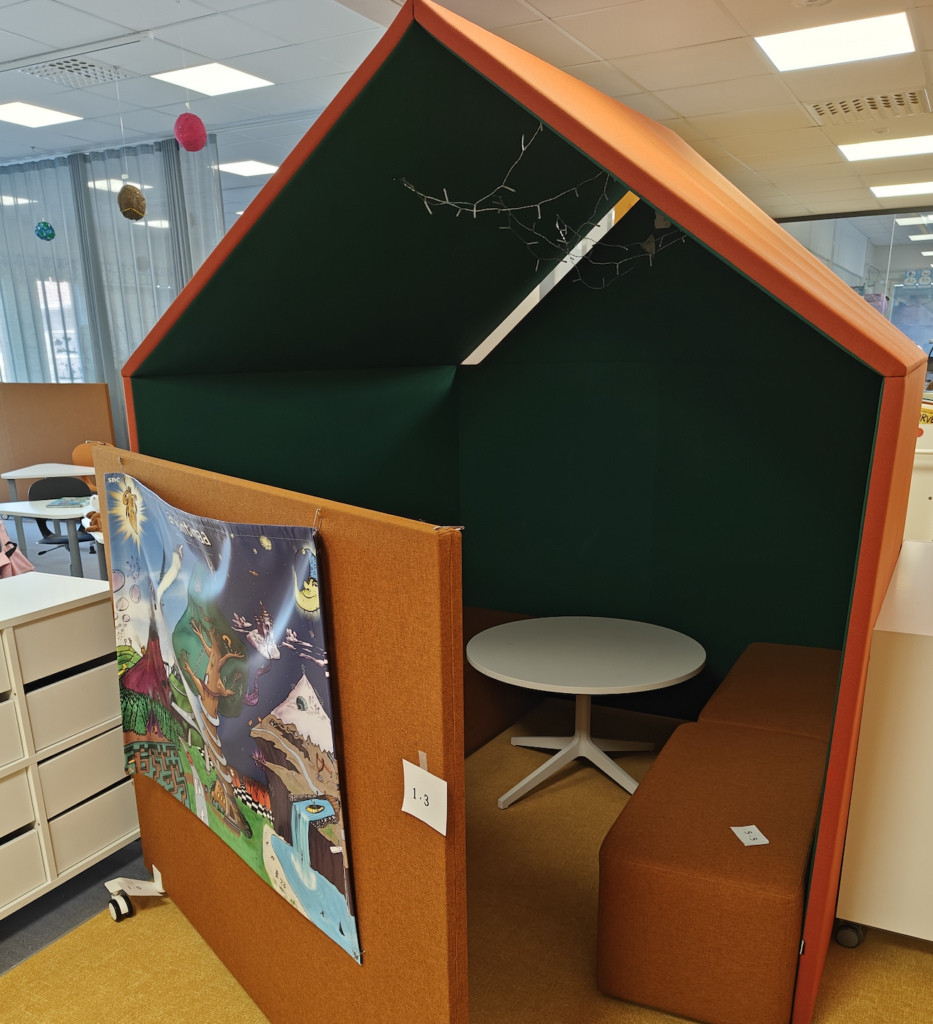
Teaching is highly learner-centred, with students actively participating in and shaping their own learning. Technology is seamlessly embedded, for example, lower primary students use digital games to develop mathematical understanding. We also observed an innovative practice known as compound teaching, where students from different grade levels (such as Grades 3 and 4) learn together in shared, flexible spaces. This enhances peer learning and allows teachers to address foundational content efficiently. For students requiring additional support, small dedicated areas referred to as “cottages” are embedded within classrooms, enabling targeted assistance without isolating learners from their peers.
Strong Commitment to Inclusive Education
Inclusive education is deeply embedded in classroom practice. It was common to find multiple teachers (sometimes up to three) working collaboratively within a single classroom. One is typically a special education specialist who works closely with the class teacher, providing in-class support and, where necessary, additional assistance in a separate space. This reflects a strong systemic investment in meeting the needs of diverse learners without removing them from the mainstream learning environment.
Emphasis on Technical and Vocational Skills
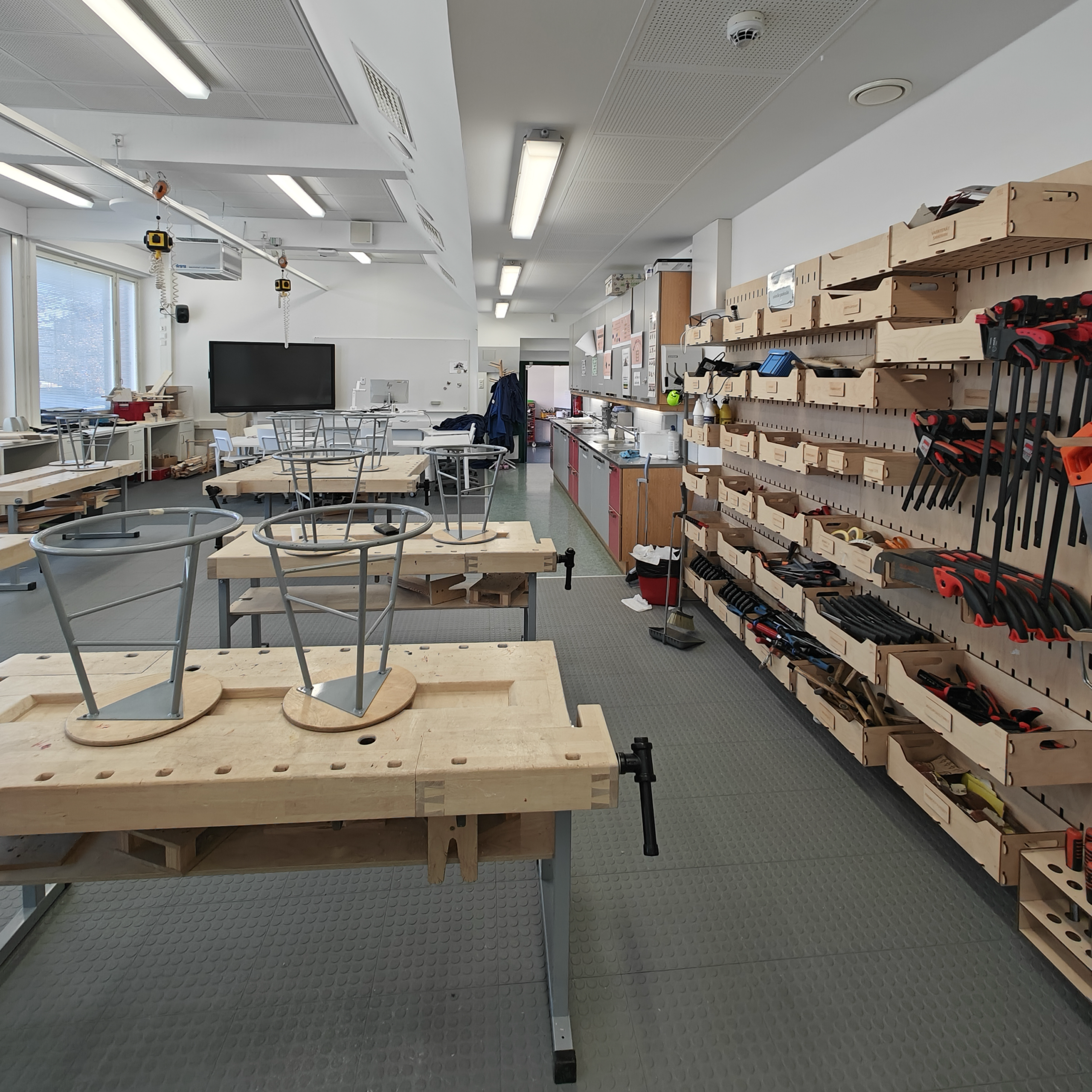
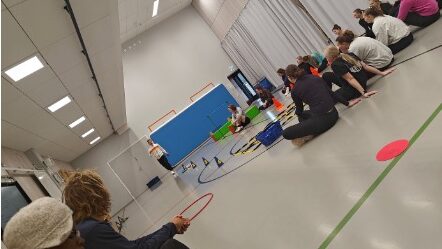
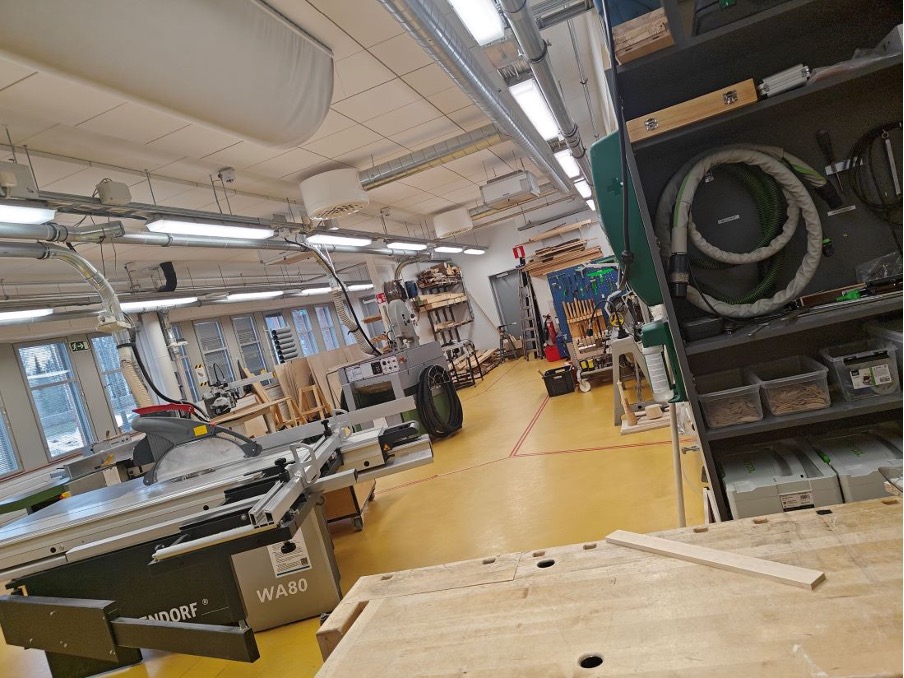
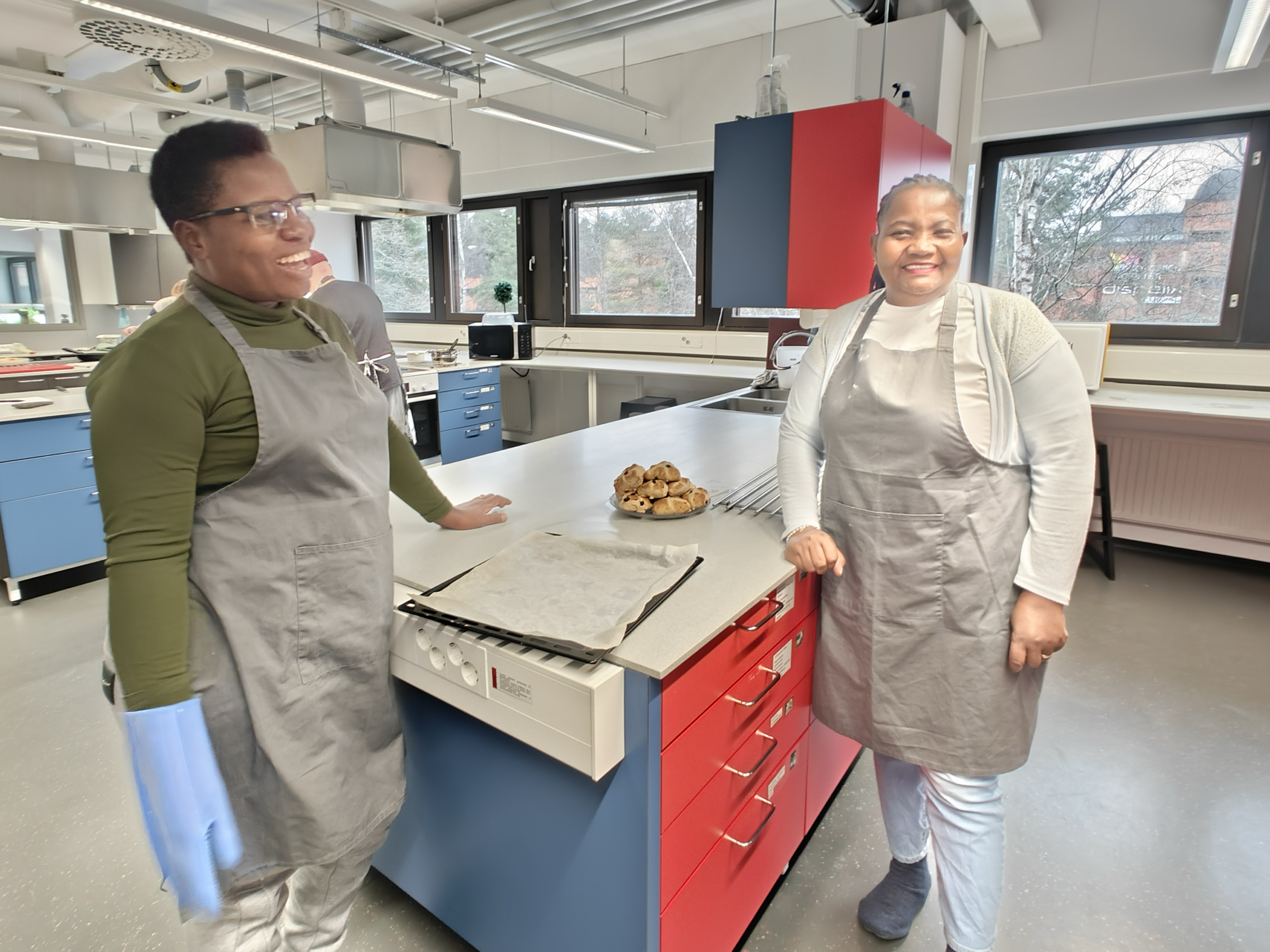
Technical and vocational education is a compulsory component of schooling. Schools are equipped with workshops that closely resemble professional environments, enabling students to develop practical skills such as carpentry, art and crafts, welding, music and home economics from an early age. Physical education and sports are similarly embedded, and form part of the competency profile expected of all practising teachers.
A Glimpse into Teacher Education at UEF
Our visits to UEF’s faculties and teaching laboratories offered equally revealing insights into how Finland prepares teachers to enact these principles.
Teaching in Finland is a highly competitive profession. Entry into teacher education is based strictly on merit, and not all applicants are accepted. The qualification pathway is clearly structured: early childhood education and care teachers are required to hold a Bachelor’s degree in Education, while primary/secondary/high school teachers must complete a Master’s degree. This distinction reflects differences in roles and responsibilities and has direct implications for professional status and salary within the education system.
A distinctive feature of Finnish teacher education is that all early childhood education and primary school teachers are required to study foundational vocational and creative subjects, including arts and crafts, music, and sports education. The laboratories for these areas were among the most impressive facilities we encountered: equipped with modern, professional-grade tools, they closely resembled environments found in our engineering programmes. This broad-based preparation ensures that teachers enter the profession with both subject knowledge and practical, hands-on capability.
Teacher training at UEF emphasises problem-based learning, critical thinking, and the cultivation of creativity and innovation. Small class sizes and well-resourced environments allow for individualised support, particularly during practical sessions. Digital platforms such as Moodle support flipped classroom approaches, enabling students to engage with course content independently before class and reserving in-person time for deeper, interactive exploration. The overall effect is a model of teacher preparation that is both intellectually rigorous and firmly grounded in practice.
Final Reflection
For sustainable and skills-based learning to flourish, curriculum reform must be matched by equally deliberate investment in teacher preparation and the environments in which both teachers and students learn.
What Finland demonstrates, above all, is the power of coherence. Sustainability is not a policy aspiration or a standalone module but it is embedded in the logic of the entire system, from how curricula are designed to how teachers are selected, prepared, and supported. The alignment between national policy, curriculum intent, teacher education, and classroom practice creates conditions in which ESD can genuinely take root.
This holds timely lessons for Tanzania and other African contexts, particularly as education systems pursue competence-based reforms and place renewed emphasis on vocational and skills development. While contextual differences are significant, the Finnish experience points to the value of investing in coherence: ensuring that curriculum intentions are reflected in teacher professional development, that learning environments support hands-on practice, and that teachers are positioned as active agents rather than passive deliverers of prescribed content. Moving beyond theoretical orientation towards problem-solving, creativity, and real-world application is not simply a pedagogical preference, it is a systemic commitment.
This article presents our personal reflections as visiting educators and does not represent the official position of the FUTE project. We sincerely acknowledge the generous contributions of Sari, Ella, Cloneria, Hiski, and the wider team at the University of Eastern Finland for their guidance and hospitality throughout our visit.