
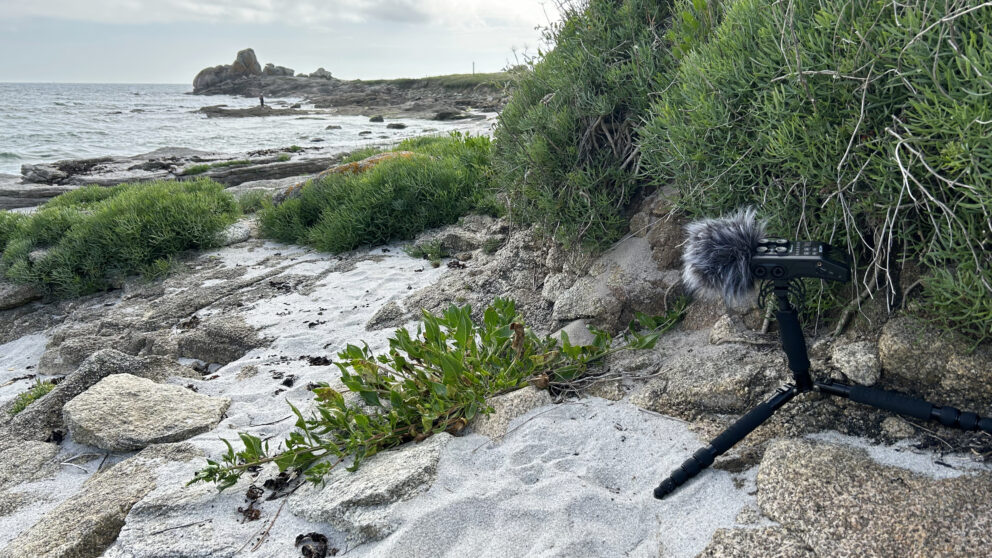
When the Recorded Soundscape Roars and Rumbles — Exploring wind noise, hidden frequencies, and the collaborative work of the microphone, ears, and moving air
Text, images, audio: Anne Tarvainen In the cultural study of sounds, field recordings are not intended to produce a high-fidelity auditory replica of the original environment. Instead, they serve as research memos—reminders of the places and situations encountered in the field. Weeks or months later, listening back to the recordings can vividly transport the researcher […]
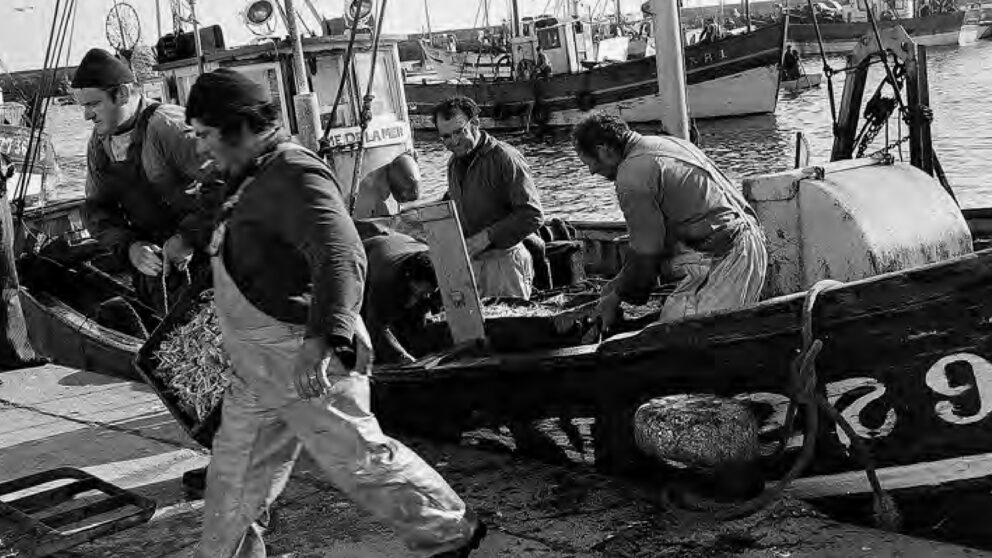
A Foreign Language in the Ear—Reflections on listening, language, and soundscape research en route to Lesconil
Train to Quimper, Brittany. On the journey from Paris toward Quimper, I listen to archival recordings from the fishing village of Lesconil, made in 1975 and 2000 as part of the Five Village Soundscapes (FVS) and Acoustic Environments in Change (AEiC) research projects. These sounds come from the very fieldwork site we are now headed to with the SOMECO project. Two of the recordings document a fish auction. I know this because the information is provided in the descriptions of the recordings (Schafer 1977/2009, 401; Järviluoma et al. 2009, 414). I don’t understand a single word of the language spoken.
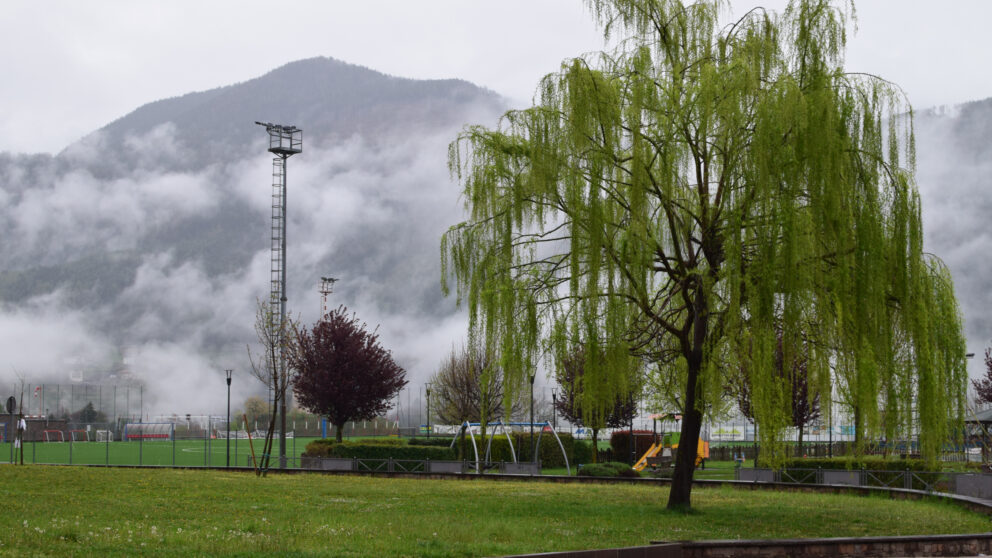
Echoes of Cembra: Village Soundscape at the Turn of the Millennium
In 2000, the AEiC (Acoustic Environment in Change) project ventured into the picturesque Cembra Valley in Northern Italy to explore its unique sonic environment. The blog texts produced during this time offer a fascinating snapshot of a community nestled amidst steep hills, where sounds reflected off ancient stone walls seemed to echo a history shaped by both human activity and the constraints of nature.[1] Revisiting these texts today allows us to reflect on the transformations in Cembra’s sonic landscape—particularly when compared to earlier periods, such as 1975, documented in the Five Village Soundscapes study (Schafer 1975/2009).
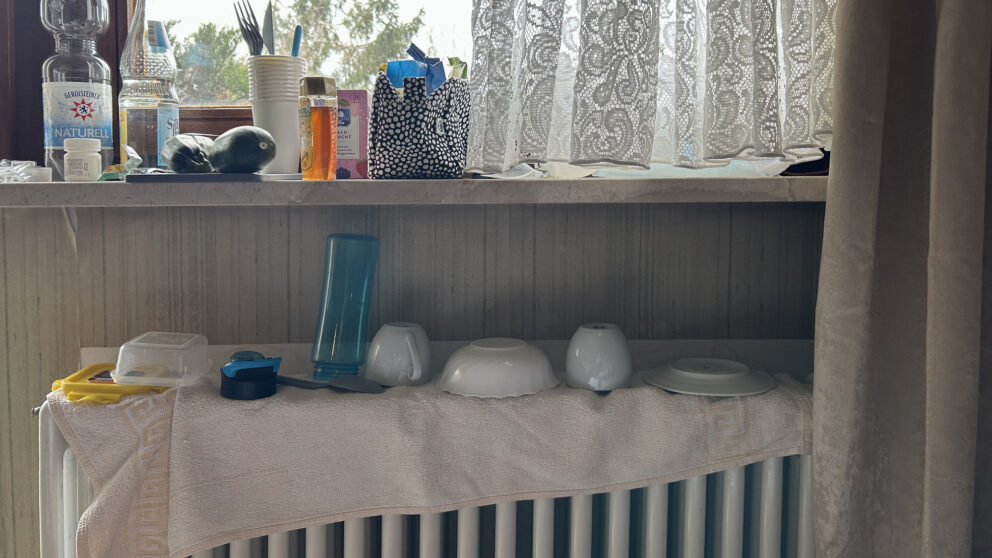
Illness, Isolation, and Perceptions of Bells in Bissingen
What does it mean to experience a place from a single point of listening? During a field trip to Bissingen, Germany, illness confined me to my room — and offered an unexpected perspective on church bells, isolation, and the fragile rhythms of time. This personal reflection explores how soundscapes are not only heard but embodied, manifesting through the listener’s states of body-mind and creating shifting relations to community and place.

Human Voice – A Delicate Creature of the Sonic Environment
In the field, human voices appear to be particularly sensitive to the presence of a researcher—more so than most other environmental sounds.